 Yoka News

Ghana Is Done Stabilising — Now It Wants to Grow
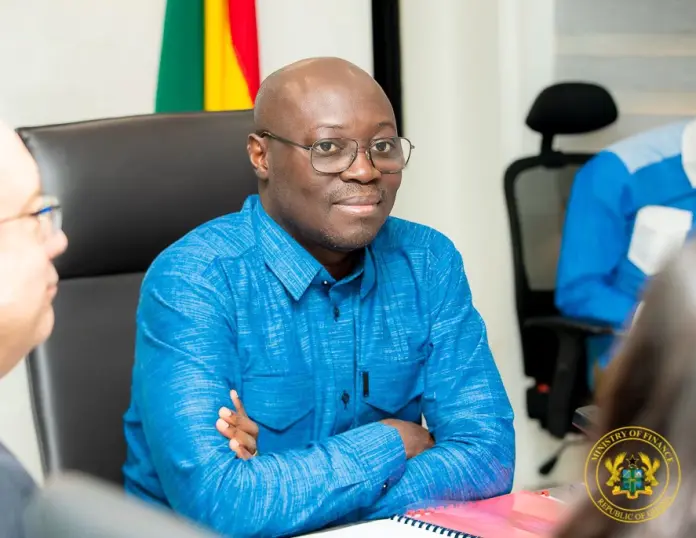
Ghana has turned a corner. At the IMF and World Bank Spring Meetings in Washington D.C. this week, Finance Minister Dr Cassiel Ato Forson made it official: the era of economic stabilisation is over, and the country is now firmly in growth mode.
The declaration came during high-level discussions running from April 13–19, 2026, where Dr Forson met with Ousmane Diagana, the World Bank's Regional Vice President for Western and Central Africa. He was joined by Bank of Ghana Governor Dr Johnson Asiama and senior officials from both institutions.
The timing is deliberate. Ghana is on track to exit its IMF programme in August 2026, and rather than simply coast to the finish line, Accra is using the remaining months to lay the groundwork for what comes after.
Four Sectors to Drive the Next Phase
Dr Forson outlined four priority areas that will shape Ghana's collaboration with the World Bank going forward:
Commercial agriculture and agribusiness — moving Ghana beyond subsistence farming toward a sector that generates employment, boosts exports, and reduces dependence on food imports.
Energy — gas-to-power and gas-to-fertiliser — linking Ghana's gas resources directly to both electricity stability and agricultural productivity through local fertiliser production.
Education and human capital — aligning skills development with the demands of a modern economy.
Infrastructure for trade — reducing the cost of moving goods across key sectors of the economy.
Together, these four pillars represent a coherent attempt to build an economy that can sustain itself independently of external support programmes.
Fiscal Discipline Stays on the Table
The pivot to growth does not mean the fiscal guardrails are coming off. Dr Forson was clear that economic caution remains part of the plan — and the World Bank appears to agree with the direction. The institution recently increased its Development Policy Operation funding to Ghana by over $400 million, a signal of confidence the minister was quick to highlight.
Why This Matters for Ghana
This is more than a messaging exercise. Ghana's ability to define its economic identity before the IMF programme ends — rather than scrambling afterward — puts it in a stronger position with investors, development partners, and its own citizens. The four-sector blueprint gives the government something concrete to rally around and be held accountable to.
The question now is execution. The ideas are solid. The partnerships are in place. What Ghanaians will be watching is whether the growth phase delivers on the ground the same momentum that the stabilisation phase achieved on paper.
Source: Originally reported by Graphic Online / Joy Business — Spring Meetings, Washington D.C., April 2026.
Comments 0
Leave a comment — or for a richer experience.
Guest comments are reviewed before publishing.
No comments yet. Be the first to share your thoughts!