 Yoka News

The Lights Are Off — But This Time, There's a Plan
If your power has been going off more than usual lately, you are not imagining it. Across Ghana, the Electricity Company of Ghana is carrying out what the government describes as extensive nationwide upgrade works — and the disruptions, frustrating as they are, are being framed as a necessary part of fixing a system that has struggled for years.
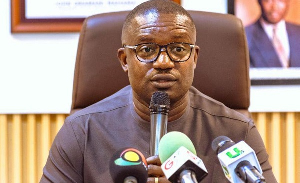
Energy and Green Transition Minister Dr John Abdulai Jinapor has stepped forward to ask Ghanaians for something that has been in short supply in recent years when it comes to electricity: patience.
What the Government Says Is Happening
According to Dr Jinapor, ECG is implementing a structured upgrade programme across the national distribution network. The goals are specific — reduce outages, improve voltage stability, and speed up fault response times when things go wrong.
Beyond day-to-day reliability, the upgrades are also designed to prepare the grid for something bigger: the integration of additional generation capacity as electricity demand across the country continues to climb. In plain terms, Ghana is trying to build a grid that can actually handle the power it will need in the years ahead — not just the power it is generating today.
The minister was direct in his appeal to the public: the short-term disruptions are real, but they are the price of fixing structural problems that have been building for a long time.
Why This Matters
Ghana's electricity distribution challenges are not new. ECG has long been criticised for ageing infrastructure, high technical losses, and a fault-response system that often leaves communities in the dark for hours — sometimes days — without clear timelines or communication.
The framing of these works as a structured programme, rather than emergency patchwork, is itself a shift in tone. If the upgrades deliver even a fraction of what is promised — fewer outages, more stable voltage, faster repairs — the inconvenience will have been worth it for millions of households and businesses that depend on reliable power.
For businesses especially, every hour of unplanned downtime has a cost. Manufacturers, cold chain operators, hospitals, restaurants, and small shops running on tight margins have absorbed those costs for years. A more reliable grid is not just a comfort issue — it is an economic one.
The Question Ghanaians Are Asking
Patience is a reasonable request. But it comes with a reasonable expectation in return: transparency.
Ghanaians have been asked to be patient with power issues before — and the follow-through has not always matched the promise. What would make this moment different is clear communication from ECG: which areas are being upgraded, on what schedule, and what specific improvements residents should expect to see when the work is done.
Without that, "bear with us" risks sounding like every other appeal that preceded it.
What to Watch For
The real measure of whether this programme is working will not be in press releases — it will be in the lived experience of Ghanaians over the next several months. Are outages becoming shorter and less frequent? Are faults being fixed faster? Is voltage more stable for households and equipment?
If the answer to those questions trends toward yes, then Dr Jinapor's ask for patience will have been well-placed. If the disruptions continue without visible improvement, the public will rightly demand more than appeals.
Ghana's energy story has too often been one of promising announcements and slow delivery. This upgrade programme has the potential to be different. The infrastructure work, if done properly, addresses root causes rather than symptoms. The government deserves credit for framing it that way.
Now it needs to deliver.
Source: Ghana Energy Ministry / ECG public statement, April 2026
Comments 0
Leave a comment — or for a richer experience.
Guest comments are reviewed before publishing.
No comments yet. Be the first to share your thoughts!